Books
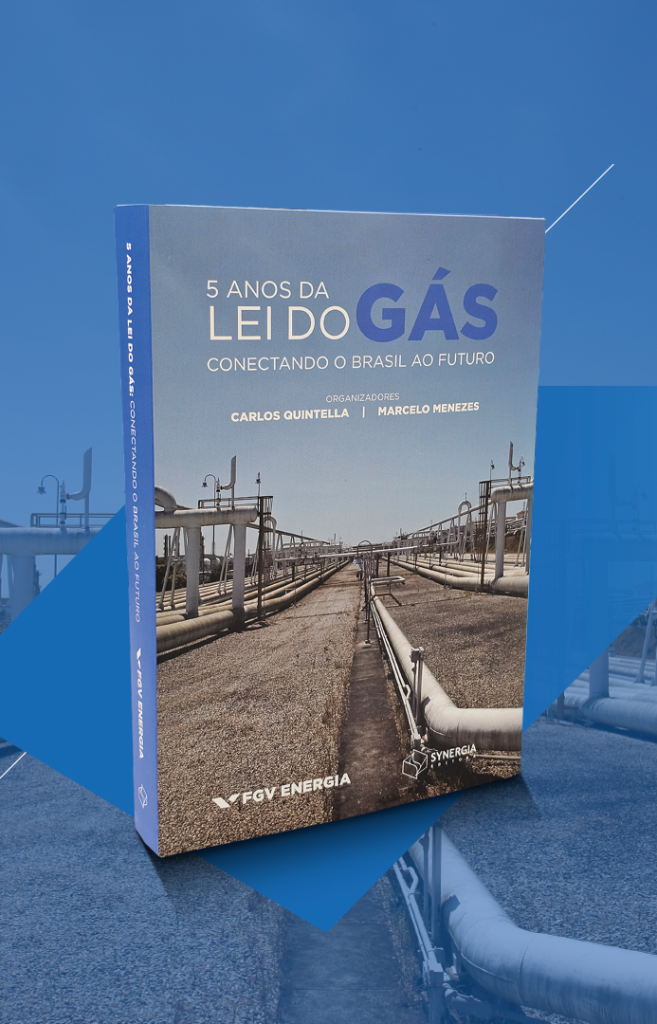
Five years after the enactment of Law No. 14,134/2021, known as the New Gas Law, Brazil is experiencing a decisive moment in building a more open, competitive, and integrated natural gas market. But what progress has actually been made? What challenges remain? And what paths still need to be taken for the country to fully harness the strategic potential of this energy source?
5 Years of the Gas Law: Connecting Brazil to the Future brings together some of the leading figures, experts, regulators, public policy makers, academics, and industry representatives who were directly involved in building and implementing this new regulatory framework.
The book offers a comprehensive analysis of the behind-the-scenes negotiations that led to the approval of the New Gas Law, the institutional and regulatory progress observed since then, and the challenges that still limit the expansion of competition, infrastructure, and natural gas supply in the country.
By addressing topics such as market opening, transportation and distribution, domestic production, underground storage, energy security, industrial competitiveness, and decarbonization, the book presents a diverse and well-informed perspective on the role of natural gas in Brazil's energy transition.
More than a historical record, this publication is an essential reference for energy sector professionals, investors, researchers, regulators, public managers, and everyone interested in understanding how natural gas can contribute to economic development, energy security, and the building of a more sustainable future for Brazil.
An essential work for understanding the recent past, interpreting present-day challenges, and mapping out the next steps for Brazil's natural gas market.
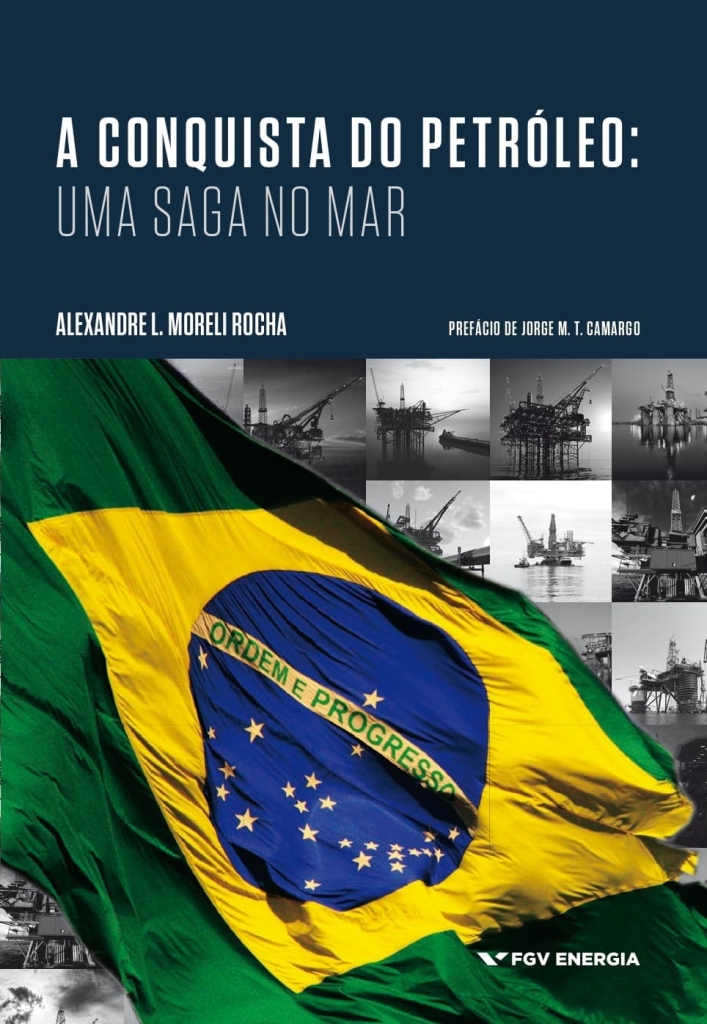
This book is the result of interviews with a significant number of highly qualified professionals who were personally and directly involved in the geological and geophysical research that pointed to the existence of pre-salt formations in the Campos and Santos basins, rock formations showing evidence of large accumulations of oil and gas. More than just a collection of interviews, it is the result of an editorial effort that makes it easy to read and understand. Its goal is to rescue and preserve for posterity, through detailed research and the recorded testimonies of key figures in this process, the historical and strategic memory of Petrobras's technological development in deep waters, a success achieved collectively over a long and difficult period, a phenomenon that ultimately made Brazil home to one of the largest applied research complexes for oil and gas exploration in the world.