Sergipe Energy Transition Strategic Agenda
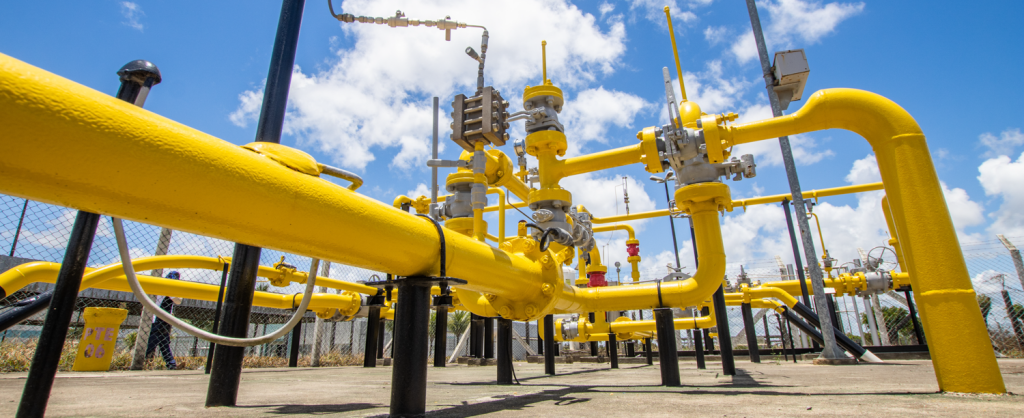
WHY IS THE TRANSITION IN SERGIPE NEEDED NOW?
Sergipe is experiencing a unique, historic window of opportunity. The energy transition is no longer an option but has become a strategic imperative, driven by three converging drivers of urgency. Ignoring this moment means giving up a future of prosperity, competitiveness, and social justice, condemning the state to a secondary role in Brazil's new energy map. The decision is now.
PATHWAYS TO GENERATE VALUE
Sergipe is experiencing a unique, historic window of opportunity. The energy transition is no longer an option but has become a strategic imperative, driven by three converging drivers of urgency. Ignoring this moment means giving up a future of prosperity, competitiveness, and social justice, condemning the state to a secondary role in Brazil's new energy map. The decision is now.
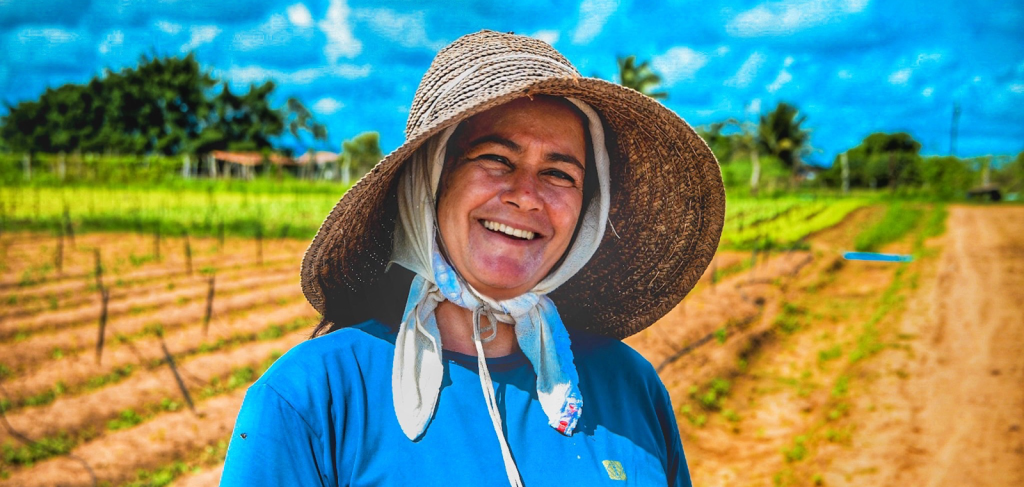
2050 VISION FOR SERGIPE'S ENERGY TRANSITION
By 2050, Sergipe will be recognized, both nationally and internationally, as a Hub for Low-Carbon Energy and Innovation. This identity will be the result of a transformation that converted the state's energy resources into drivers of inclusive and sustainable socioeconomic development. Sergipe's transition will be built on a strategic three-pillar framework for the energy transition:
THREE-PILLAR SYNERGY
Gas as an Industrial Driver and Financier of the Transition
SEAP's gas will be used to expand the state's industrial base, supplying segments such as fertilizers, ceramics, and lower-carbon petrochemicals. The extraordinary revenues associated with the project could feed a Sovereign Fund focused on innovation, capacity building, and clean energy projects, ensuring that economic benefits translate into lasting development. The gas infrastructure will be modernized to transport biomethane and hydrogen, expanding its role in decarbonization.
Renewables as the Agenda for the Future
The electricity mix will be diversified and resilient, with the expansion of distributed solar generation, onshore wind, and biomass and biomethane sources. The state could develop a hub for low-carbon hydrogen and its derivatives, such as ammonia and methanol, at the Barra dos Coqueiros industrial-port complex (ZPE), meeting global demand for clean fuels.
Energy Efficiency as the "First Fuel"
Energy efficiency will be incorporated into public policy and the private sector, with lower-consumption buildings, smart public lighting using LEDs and remote management, and the widespread adoption of industrial energy management through performance contracts (ESCOs). This could foster a local market for specialized services and increase competitiveness. This transformation will be underpinned by strong energy governance, centered on the State Energy Transition Committee (CETE-SE), and by a vibrant innovation ecosystem connecting universities, SergipeTec, companies, and government in the pursuit of cutting-edge solutions. For people, the 2050 Vision means a change in quality of life. Energy poverty will be tackled through community solar power programs and efficiency improvements in low-income housing. Thousands of skilled jobs will be created, from operating biomethane plants inland to energy storage research in the capital. For businesses, it will mean cheaper, more reliable energy, modern infrastructure, and a business environment favorable to innovation. Sergipe will have turned its small territorial scale into a strategic advantage, becoming a "living laboratory" for the smart grids and sustainable cities of the future.

THE THREE DRIVERS OF URGENCY
The Gas Window (SEAP)
Sergipe has the opportunity to turn natural gas into a driver of state development, rather than limiting its use to the export of raw gas. Advancing this agenda depends on the ability to structure projects and priorities, taking advantage of the window of opportunity available to states that organize themselves. In this context, the energy transition can act as a driver of Sergipe's economy, expanding job opportunities and reducing social vulnerability.
The National Framework
The National Framework: The Federal Government has launched a comprehensive set of policies, such as the National Energy Transition Policy (PNTE), the Energy Transition Acceleration Program (PATEN), and New Industry Brazil (NIB), which expand access to financial and regulatory support instruments. States with structured projects and an integrated vision, like the ones proposed in this Agenda, will be ahead of the curve in securing these resources.
The Socioeconomic Context
Sergipe faces the paradox of having promising energy wealth alongside social vulnerability indicators that still require attention. About 59.8% of the population is registered in CadÚnico (Brazil's federal registry for social program beneficiaries), and the state has 827,800 people living in poverty. The energy transition offers a unique opportunity to reverse this situation, generating quality jobs, boosting productive competitiveness, and spreading development beyond the capital.
Access the project documents:
Executive Summary - Sergipe Energy Transition Strategic Agenda
The Executive Summary - Sergipe Energy Transition Strategic Agenda is the condensed version of the Sergipe Energy Transition Strategic Agenda, the foundation of the State Energy Transition Plan. The initiative consists of a technical study analyzing the sector's main opportunities and pointing to solutions for overcoming obstacles. In parallel, the analysis maps Sergipe's energy matrix and identifies initiatives already underway in the state.
The project's stages included technical studies and a workshop, as well as public consultation, aimed at guiding the development of state policies.
Sergipe Energy Transition Strategic Agenda
The Sergipe Energy Transition Strategic Agenda (AETE-SE) is a roadmap designed to position the state as a pioneer in the national energy transition. The plan converts Sergipe's unique competitive advantages – most notably the Sergipe Deep Waters project (SEAP) and its high potential for renewable energy – into a driver of sustainable socioeconomic development.
The agenda aims to overcome the paradox of a state with abundant energy resources but low economic diversification and high dependence on social programs, transforming this reality through an integrated energy transition strategy.