Goiás State Energy Plan

About the project:
The state of Goiás has competitive advantages in the energy sector that help position it as an important driver of the energy transition at the national level. The combination of optimized distribution of sustainable energy in the state, the use of highly energy-efficient sources, diversification of the energy mix, and agricultural energy self-sufficiency are among the pillars of the state's energy agenda.
The Goiás State Energy Plan (PEEG 2030) will be pivotal in identifying existing gaps in the state's energy sector, supporting initiatives underway, and exploring local potential. This will involve an integrated analysis of the current energy infrastructure, the regulatory and policy framework, and governance in the energy sector, along with monitoring relevant technological and market trends that will inform the Goiás State Government's strategic decision-making through the 2030 horizon. In this context, the Plan's scope of action focuses on government measures and deliverables with observable effects in the 2027–2030 period, consistent with the urgency of competitiveness, reliability, and sector expansion. Thus, PEEG 2030 combines structural planning with a short-term executive agenda, ensuring technical consistency and implementation capacity.
The project's objective centers on a detailed diagnosis and in-depth exploratory research into the opportunities and challenges of the energy sector in the state of Goiás, which will underpin the guidelines and goals of the Goiás State Energy Plan 2030 (PEEG 2030). The plan aims to direct actions toward infrastructure modernization and more efficient use of regional energy resources. This project will focus on strategic instruments for inducing, coordinating, and guiding state public policies, in line with the National Energy Plan, the Ten-Year Expansion Plan, and the Sustainable Development Goals (SDGs).
Stages of the Goiás State Energy Plan:
Diagnosis of the state's electricity and energy context;
Workshops;
Energy Market Overview;
Governance and Political-Regulatory Overview;
State Energy Plan;
Roadmap for 2030.
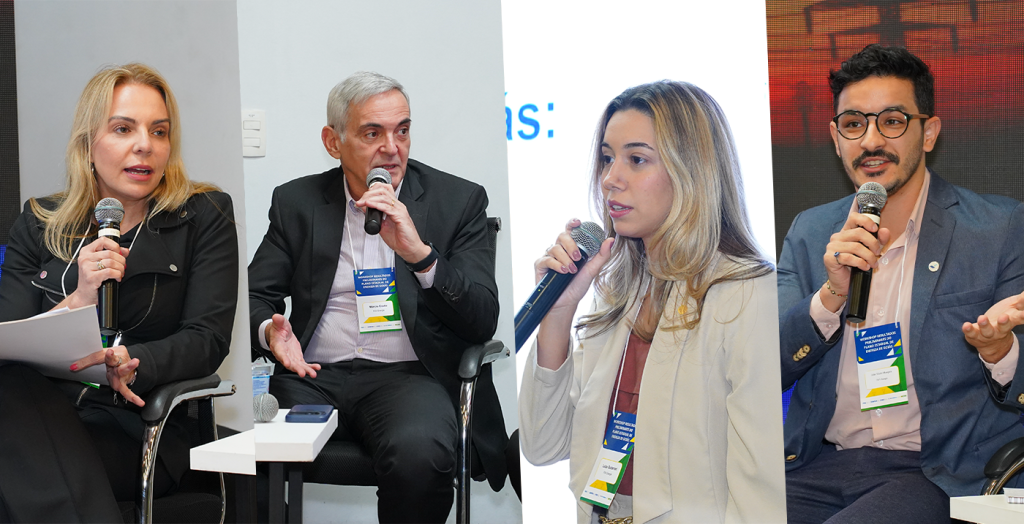
Workshop on Preliminary Results of the Goiás State Energy Plan (PEEG 2030)
This initiative was promoted by the Goiás Secretariat-General of Government (SGG-GO) and FGV Energia, Fundação Getulio Vargas's energy-focused study center. The event presented the preliminary results of the state's energy diagnosis and opened up space for discussions on topics that directly impact economic development, industrial competitiveness, and investment attraction.
The workshop sought to broaden the contribution of different segments of society to the development of PEEG 2030, an instrument that will guide public policies and decisions related to the expansion, diversification, and sustainability of Goiás's energy mix.
FGV Energia Oil and Gas researcher Luiza Guitarrari presented the diagnosis with PEEG's preliminary results. As the lead for developing the plan, she explained that the study is being conducted by energy source, covering industry, commerce, the environment, and transportation.
The diagnosis covers the bioenergy, biogas and biomethane, electric power, and mining sectors, with a situational report on supply and demand in these sectors in Goiás. "Based on the situational diagnosis, which is excellent for understanding what is actually available, we were able to identify the challenges and what we need to address in the coming years," said the researcher.
The presentation highlighted Goiás's potential to lead the energy transition. The state has a diversified energy mix, notably hydroelectric power (56%), solar (26%), biomass (14%), and fossil fuels (4%), and is currently Brazil's 9th largest state in installed electricity capacity, with more than thirty sugarcane and corn ethanol plants in operation.
The study revealed that renewable sources are the great strength of Goiás's energy mix and that biomass can offer system stability and complement hydroelectric generation during dry periods.
Opportunities can be found in the electric power sector, with growing demand and the expansion of renewables and new technologies; in bioenergy, with ample biomass availability; in biogas and biomethane, with potential for feedstock from agricultural and agro-industrial waste; and in mining, due to the state's wealth of critical minerals that are essential for the energy transition. Among the challenges, the lack of infrastructure stands out, common to all potential lines of exploration.
The project aims for regional development through investment attraction and innovation incentives. The preliminary diagnosis is the first phase of the plan, which is expected to be launched in April 2027, along with a Roadmap for 2030 mapping out actions and instruments to guide the development of PEEG.